Your windows
Victorian and Edwardian windows
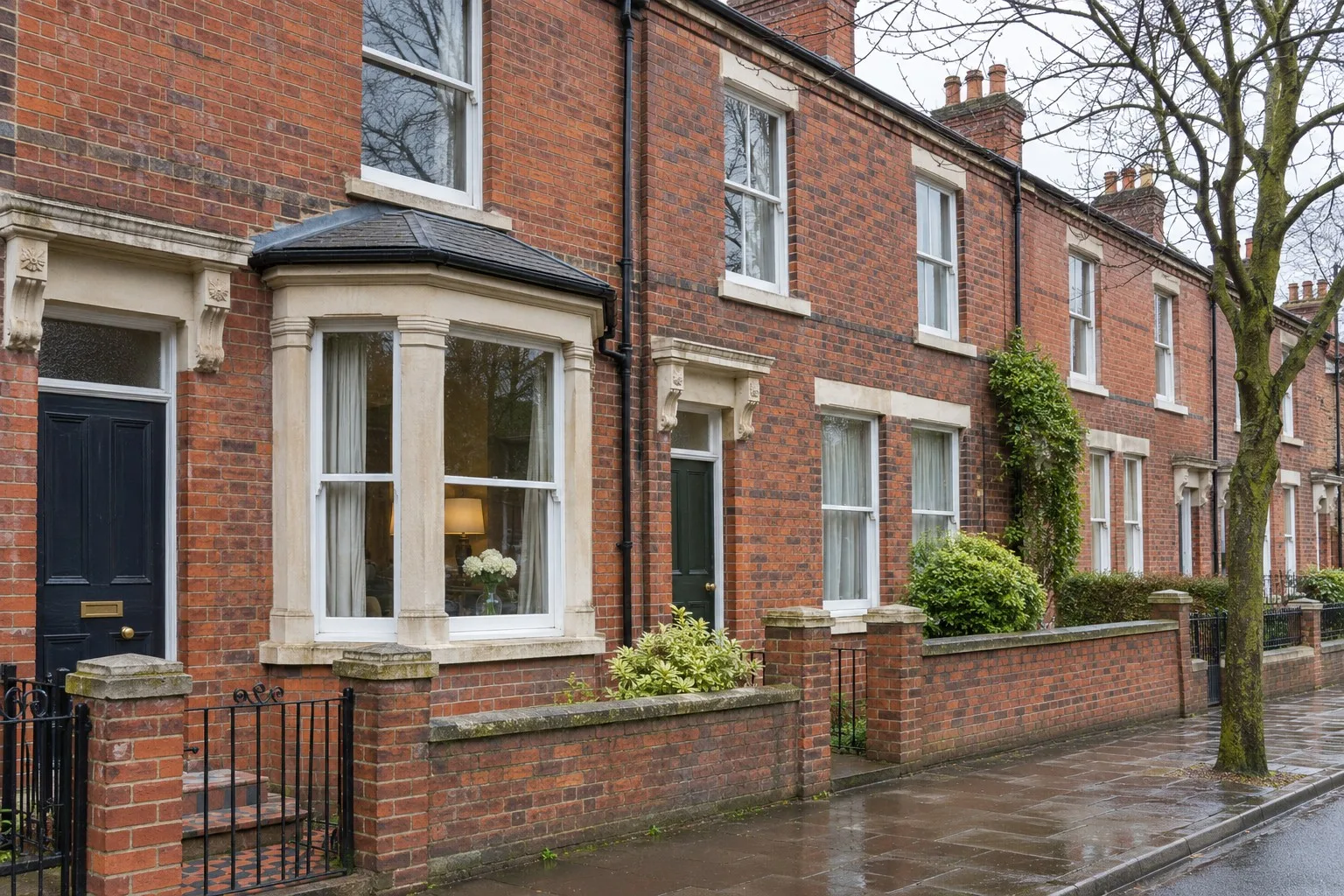
Victorian and Edwardian windows are almost always vertical sliding sashes, and what you can do with them depends less on the glazing than on whether your house is listed or in a conservation area. Check that first, before you ask anyone for a quote.
What Victorian and Edwardian windows look like
The small terraced houses built for working families in the late 1800s were often two rooms up and two down. They tended to have small doors, and sliding sash windows. Bigger Victorian and Edwardian houses, from just before the First World War, had more space and more ornament: solid brick, slate roofs, high ceilings and stone-cilled sash windows, including sash bays.
Many of these houses have been modernised over the years. A common change I see is a row of louvred vents fitted along the top of an upstairs window, to improve ventilation. Those were designed for greenhouses. They are draughty, and I think they are not secure.
Planning rules for Victorian and Edwardian windows
The Planning Portal explains the rules for windows. Replacing windows with similar-looking ones is normally permitted development, but there are three exceptions you should know:
- Listed buildings. If your home is listed, you need listed building consent for any significant work, internal or external.
- Designated areas. In a conservation area, national park or area of outstanding natural beauty, there may be extra restrictions.
- Article 4 directions. Some councils withdraw permitted development rights, and then you need to apply for planning permission.
If you are a leaseholder, you may first need permission from your landlord or management company. The council’s planning department can tell you which applies to your address. Building regulations are separate, and I’d use a FENSA registered installer for that. See our guide to a lost FENSA certificate for what comes after the job.
What councils say about uPVC
Attitudes differ by council. As one example, the Peak District National Park Authority says on its windows page that it is likely to refuse applications to install uPVC windows in listed buildings, and that changing the material from timber to uPVC needs consent. It also says most historic windows can be repaired. That is one authority’s view, not a national rule. Yours may be more relaxed or stricter, so ask.
Repair or replace Victorian windows
Where a house is listed or in a protected area, repair and like-for-like replacement may be the only route the council accepts. Where it isn’t, you have a choice. My own view is that a well-made modern sash can suit a Victorian terrace, and I would not tell anyone with an unprotected house that they must keep timber.
The two options I’d compare:
- Repair. Often only the sill and lower parts of a timber frame rot. Repairing keeps the original, but it needs a good joiner.
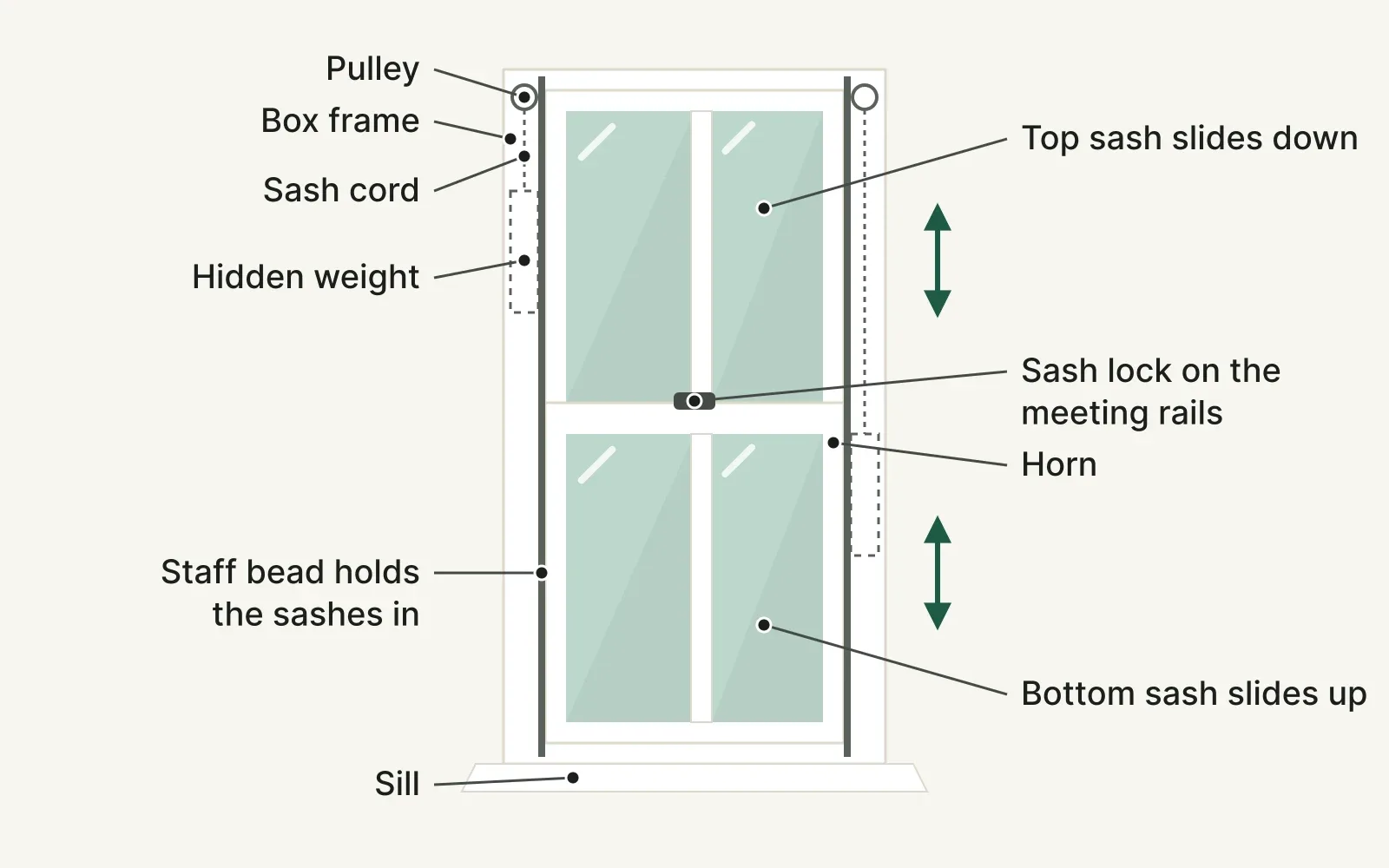
- Replacement sashes. A uPVC vertical sliding sash is the closest match in plastic. In my experience it costs noticeably more than a casement, and a casement looks wrong on a house built for sashes.
A casement that copies the look of a sash is a halfway option. Our guide to dummy sash windows explains the fixed-pane versions and their trade-offs.
A cottage I worked on
I once fitted uPVC traditional look-alikes to an Essex cottage. The owner had been adamant she would never put “plastic” windows on it, and she liked the result. The houses either side had been changed with much less sympathy. That’s one job, and it isn’t evidence about every house, but it fits my view that the detail of the design matters more than the material.
What to ask before you order
- Is the house listed, in a conservation area or under an Article 4 direction, and have you checked with the council?
- Is the window a true sliding sash, or a casement made to look like one?
- How are the glazing bars made, and can I see a sample?
- How are the sashes held and balanced, and how do they open for cleaning?
- Will the job be registered for building regulations, and who issues the certificate?
Put any quote through our quote checker. For the next house age along, see 1920s and 1930s window styles, and see your windows for the rest.
Get quotes for your home
A guide price only takes you so far. Local firms can price the work on your own home, and comparing a few quotes is the quickest way to see what is reasonable.
Compare free quotes