Your windows
1940s and 1950s windows
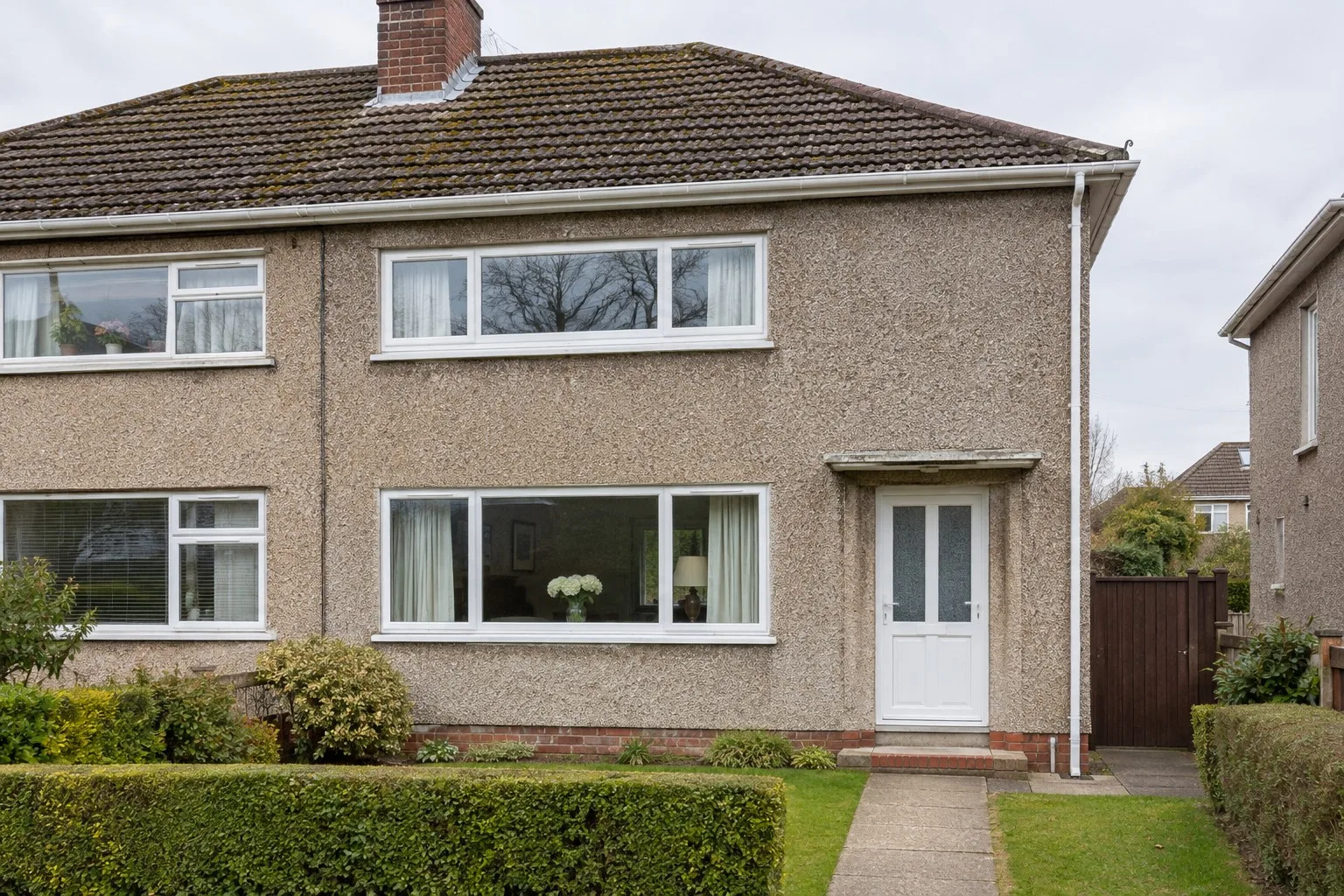
Most of the 1950s windows I replace are single-glazed steel casements, known as Crittalls, or timber ones. The houses were solidly built but never insulated to today’s standards, and that is easy to put right. What you should do depends on what you have and why you want to change it.
The houses behind 1950s windows
The war stopped most house building for the best part of a decade. Afterwards, housing was the issue people felt most strongly about. New materials were in very short supply, and councils built most of the new homes. As I understand the history, private building only took off properly in the later 1950s. I’d check the details before relying on them.
A word for 1950s homes
I like 1950s properties, partly because I live in a 1950s bungalow now and I grew up in a 1950s house. I think they were generally very well built. What they lacked from the start was insulation to today’s standards. That is a different problem from the build quality.
The original windows
Many homes of this period had single-glazed steel Crittall windows, and I have swapped them for double glazing on a 1950s house. Beside a neighbour’s house that still has the old windows, the difference is obvious.
Steel frames carry cold from outside straight through to the inside, and they produce condensation. I say more about that in the guide to 1960s windows, because the same frames carried on into the next decade. Historic England has published research on the thermal performance of metal-framed windows. It is worth reading if your steel windows are original and you want to keep them. I haven’t repeated its findings here.
Replacing 1950s windows
If you replace them, think about four things:
- The frame. uPVC is the usual choice and costs least. Aluminium gives slimmer frames, and timber suits a period look.
- The glass. Ask for the energy rating of the whole window in writing, because that is what the rules look at.
- The opening. Problems with the lintel or sill tend to show up only when the old frame comes out, so ask how the fitter deals with them.
- The certificate. Ask who certifies the work and when you will receive the paperwork.
What to check before you order
A new window on its own won’t fix a cold house, but it is one of the cheaper steps. For one window, the price guide for a single replacement window shows the typical cost. Then put any quote through our quote checker, or line several up with the compare tool. For other periods, see the your windows hub.
Get quotes for your home
A guide price only takes you so far. Local firms can price the work on your own home, and comparing a few quotes is the quickest way to see what is reasonable.
Compare free quotes