Windows explained
Window sealant: which silicone to use
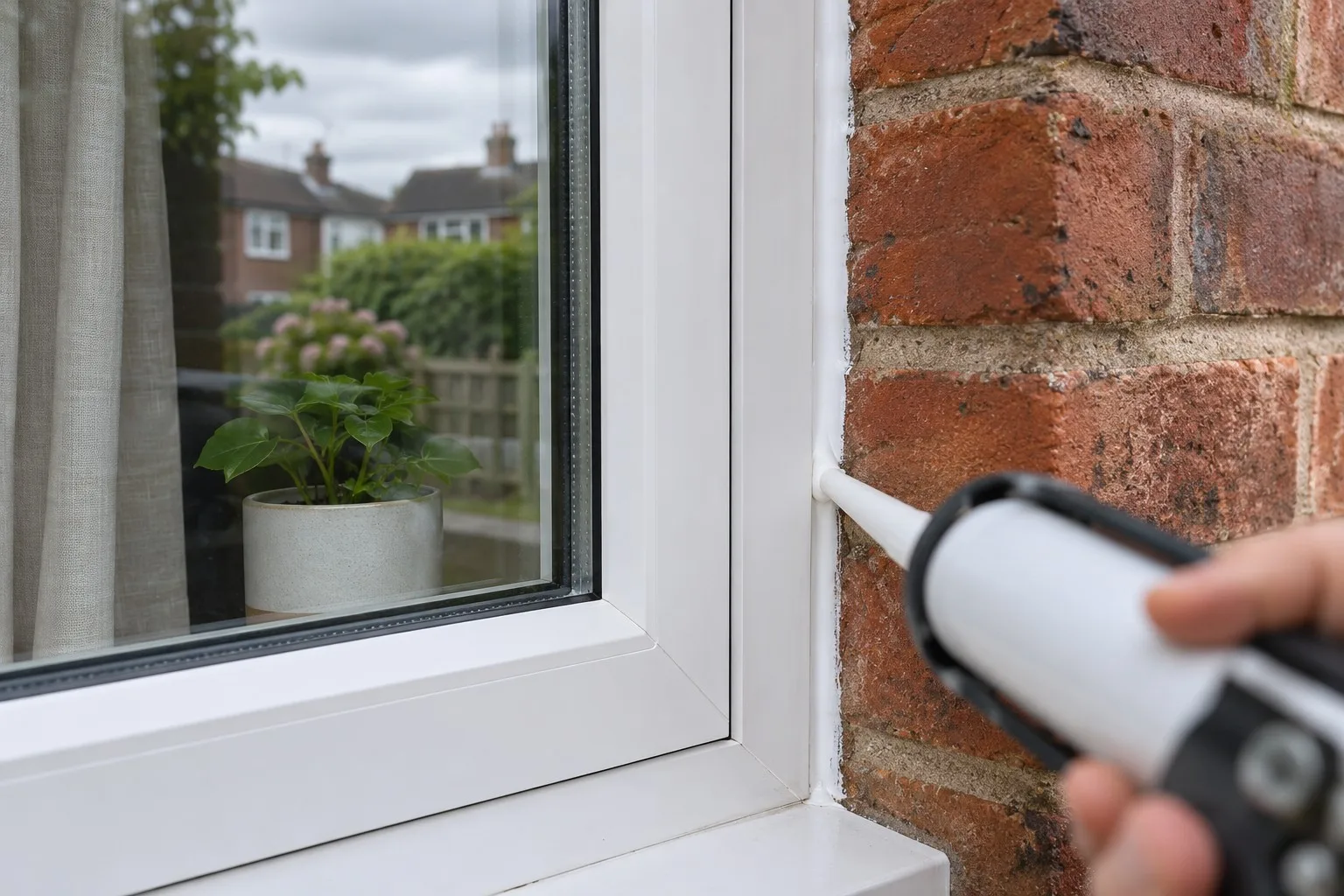
The right window sealant is a silicone chosen for the job, and there is no single type that suits everything. The wrong one can look fine on the day, then peel away or crack within a few seasons. If you are having windows fitted, or sealing round them yourself, a little knowledge of silicone is worth having.
Why a window sealant joint fails
I see the same handful of causes again and again. A sealant joint most often fails because:
- the wrong silicone was used;
- the joint was too wide, too narrow, too deep or too shallow;
- the joint moves more than the sealant can stretch;
- the surfaces were dirty or contaminated;
- the sealant was applied badly, with poor gunning technique;
- the sealant itself was poor quality.
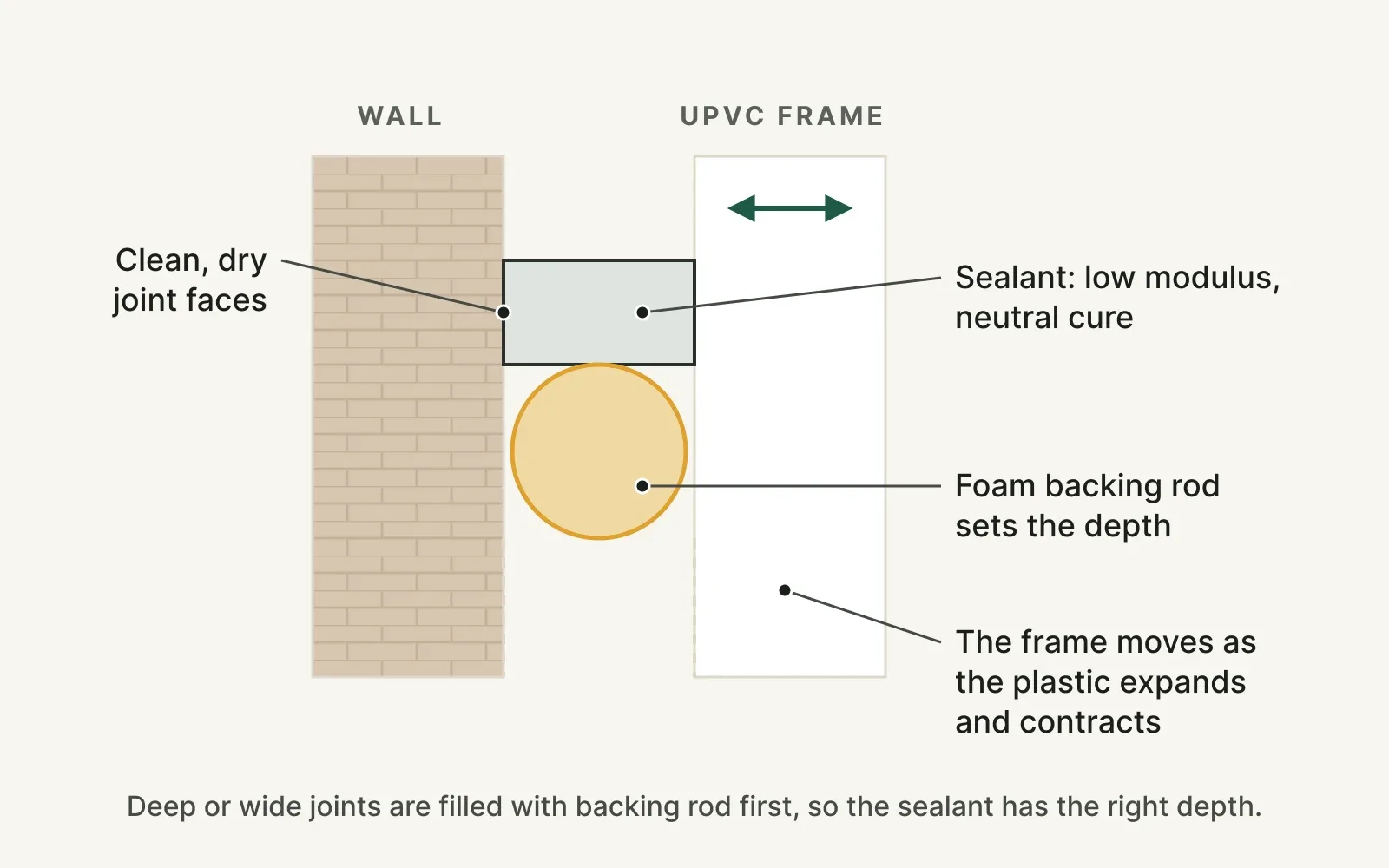
Clean surfaces matter a great deal for any window sealant, and so does removing all the protective tape without leaving residue. Deep or unusually wide joints should be filled with foam backing rod before you apply the sealant, so the silicone has the right depth to work with.
Neutral cure or acetoxy window sealant
The two names come from what the silicone gives off as it cures. Manufacturer Soudal explains that acetoxy silicones release acetic acid as they cure, which gives them a strong vinegar smell, while neutral silicones cure with no acidic by-product. That makes neutral cure suitable for sensitive materials, and acetoxy faster curing but not generally suitable for them.
The picture is not black and white. Another manufacturer, Penosil, says in its guide to the two types that acetoxy bonds very strongly to non-porous surfaces such as glass and glazed surfaces. It also says neutral is the better choice for plastics and uncovered metals, and that when you are unsure about a material, neutral is the safer option. It adds that neutral is typically slightly dearer and slower to cure.
In my experience, acetoxy often peels away from uPVC and is hard to rely on there. My recommendation for window frames is a low modulus neutral cure silicone, and I’d suggest you ask your fitter which type they are using.
What the markings on the tube mean
Sealants are classified under a standard, ISO 11600. As Soudal’s leaflet on the classification sets out, the designation tells you what the sealant is for, glazing or construction. It also gives its movement capability, its modulus and its elasticity.
Two of those matter for windows:
- Movement capability. A joint round a uPVC frame moves as the plastic expands and contracts. A higher movement figure means the silicone can follow it.
- Modulus. A low modulus sealant stretches under a small force and copes well with movement, while a high modulus one is more rigid. For plastic frames I’d go for low modulus.
When you compare makes, look at the movement capability on the tube. I have also seen cheaper sealants that are bulked out with fine powder. In my experience those shrink more, discolour and stick less well, and they tend to stretch less. If the tube doesn’t say, find the manufacturer’s data sheet.
Silicone and wooden frames
Window sealant has a different job on a wooden frame, where it keeps water out of the glazing rebate. Our guide to sealed units in wooden frames explains why you must not seal over drainage slots, however tempting it is.
What to ask your fitter
Before the work starts, ask:
- What sealant are you using round the frames, and is it neutral cure and low modulus?
- Will the joints be filled with backing rod where they are deep?
- Will you leave any drainage slots clear?
- Will the surfaces be cleaned first, and the tape taken off afterwards?
Then put the quote through our quote checker. For other ways windows are put together and fail, see windows explained.
VELUX is a trade mark of its owner. The Window Man is independent and is not affiliated with, sponsored or endorsed by any manufacturer. We name brands only to help you compare like with like; see how we make money.
Get quotes for your home
A guide price only takes you so far. Local firms can price the work on your own home, and comparing a few quotes is the quickest way to see what is reasonable.
Compare free quotes