Your windows
1960s windows
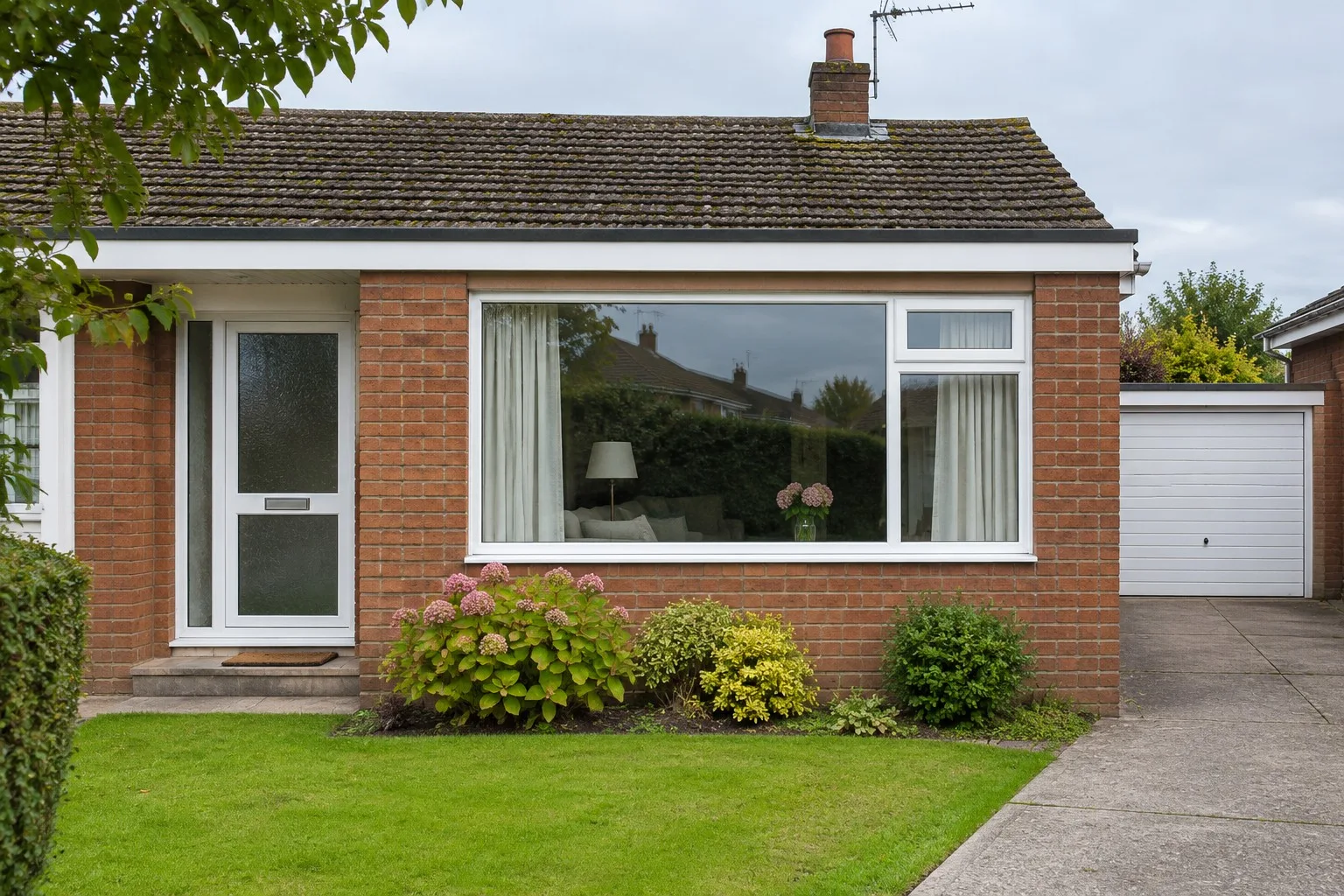
The 1960s windows I see on a job are usually one of two kinds: the original steel frames, or a replacement from the decades since. Houses built in the 1960s have larger windows than anything before them. What you should do depends on which you have and why you want to change it.
The houses behind 1960s windows
The 1960s was a decade of trying to squeeze a quart out of a pint pot. Houses were generally boxy and plain, and shiplap cladding became an ill-judged fashion for exterior features. A lot of the softwood boards and joinery on the outside of new builds was still wet when it was painted. The finish flaked off within a few years, and the only cure was to strip back to bare wood, prepare it properly and refinish it.
Inside, rooms were generally a good size. Open plan was the buzzword, and many owners of 1930s houses knocked their front and back rooms into one through lounge. Windows were bigger than ever before, so the three-bedroom family semi was light and airy.
Original steel 1960s windows
Many 1960s houses and bungalows had steel windows, often called Crittall windows after the best-known maker. The ones I see are cold, and they are real condensation producers. The metal carries the cold from outside straight through to the inside face of the frame.
Historic England has published research on the thermal performance of metal-framed windows. It is worth reading if your steel windows are original and you want to keep them. I haven’t repeated its findings here, so go to the report for them.
If you do replace them, a standard uPVC frame won’t match the original look, and I wouldn’t claim it does. What you gain is comfort, security and a window that is easier to look after.
Bow and bay conversions
A bow or bay window became one of the top fashion accessories for 1960s houses and bungalows. The plain original window is replaced with a new bow or bay in white uPVC, and the front of the house changes completely. I have fitted plant-on bows and bays to 1960s houses, and beside an unaltered neighbour the difference can be dramatic.
A bay is a bigger job than a straight swap, because someone has to deal with the opening and the structure above it. Ask the installer who is responsible for that, and who certifies the work. The price guide for a single replacement window is for a standard casement, so a bay is quoted on top of it.
Choosing replacements for 1960s windows
For a typical 1960s house the decision comes down to four things:
- Frame. uPVC is the usual choice and costs least. Aluminium suits anyone who wants slimmer frames, closer to the original steel.
- Size. The big windows of the period mean large panes of glass, which cost more.
- The opening. Problems with the lintel or the sill tend to show only when the old frame comes out, so ask how the fitter deals with them.
- Whole house or one at a time. One window costs more each than ten, as the cost pages explain.
What to check before you order
Ask for a written specification that names the frame, the glass and the energy rating, and check the fitter will certify the work. Then put the price through our quote checker. If you are comparing several quotes, the compare tool lines them up. For other periods, see the your windows hub.
Get quotes for your home
A guide price only takes you so far. Local firms can price the work on your own home, and comparing a few quotes is the quickest way to see what is reasonable.
Compare free quotes